Date: 11-15 June 2023
- Introduction.
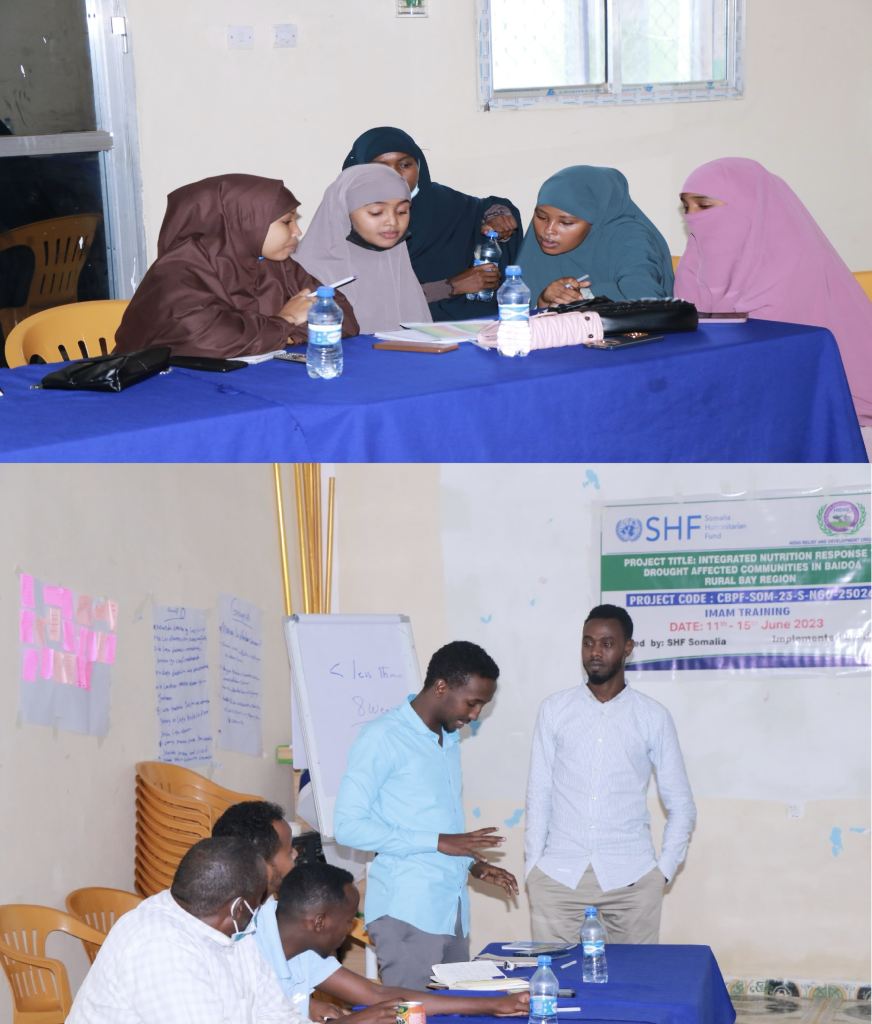
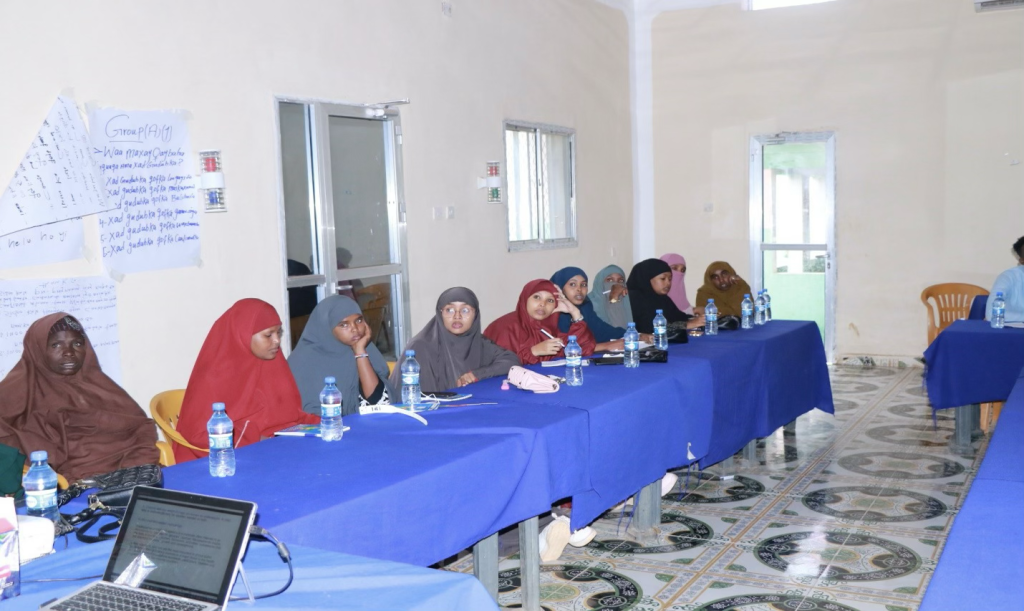
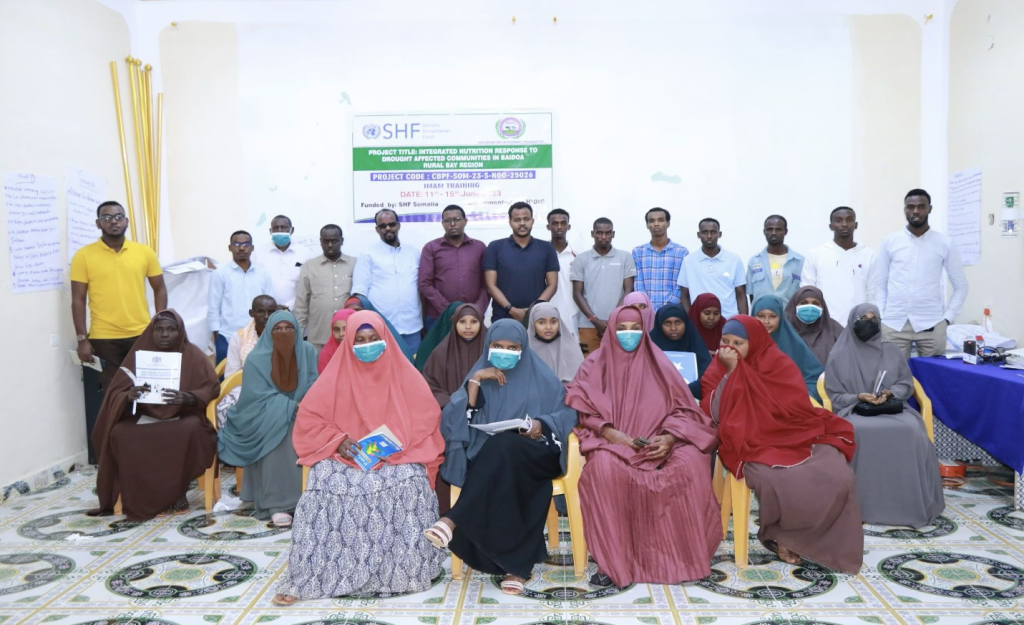
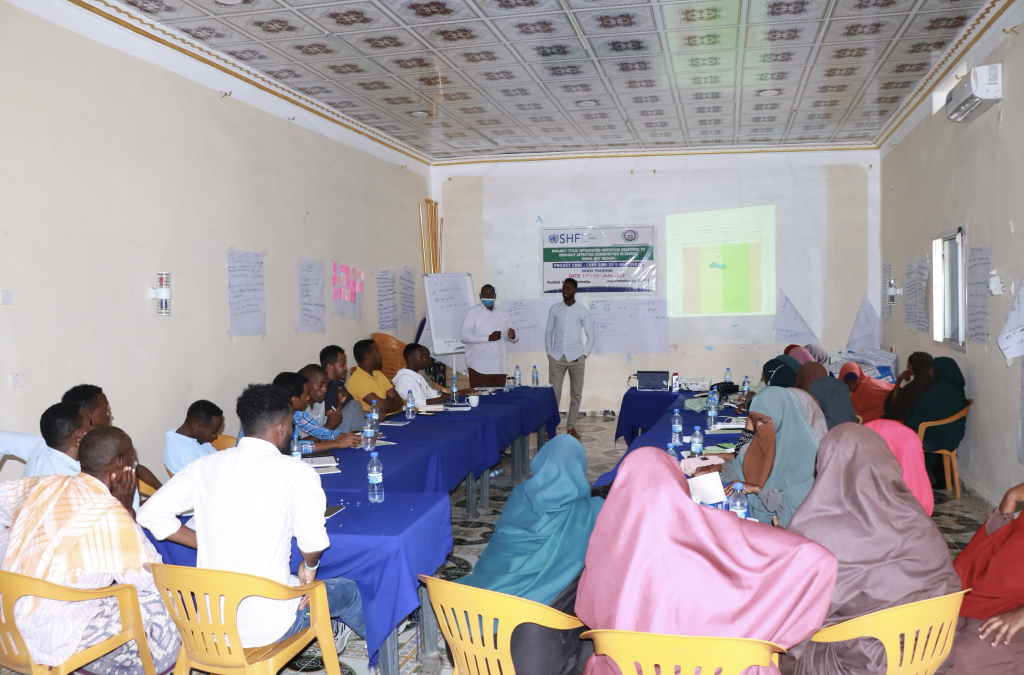
HIDIG conducted IMAM training for key Nutrition program staff and community health workers in Baidoa Bay Region of SWS Somalia. The nutrition staff received the 5 days IMAM Nutrition training.
The training is part of a larger capacity building program that is funded by SHF Somalia and redesigned to suit nutrition staff needs in the wake of the current program in Somalia. Basically, the training followed the Guidelines for managing malnutrition in Somalia, however it was tailor made for nutrition staff offered in Somali and trainings materials were developed by HIDIG program manager with inputs from SHF field team.
A total of 36 participants took part in the training, the training team from HIDIGconsisted of one trainer with lead trainer (consultant), the training coordinator and HIDIG nutrition officer, the training employed participatory approach which is vital in the art of adult learning
(andragogy) therefore opinions, knowledge of the working situation and environment in Somalia was put into consideration.
Training proceeding
Opening and introduction
The training was open by HIDIG executive director who have also co-facilitated the day training of the staff, it was also attended by the Baidoa authority representatives as well as the federal government ministry of health.
Objectives:
- Understand the concepts and causes of acute malnutrition.
- Learn the screening and assessment methods for identifying acute malnutrition.
- Master the protocols and procedures for the management of acute malnutrition, including both outpatient and inpatient care.
- Develop skills in counseling caregivers and promoting appropriate feeding practices.
- Familiarize with the monitoring and evaluation processes in IMAM programs.
Duration: 5 days
Training Modules:
Day 1: Understanding Acute Malnutrition
- Introduction to Acute Malnutrition
- Definition and classification
- Global burden and impact
- Causes and risk factors
- Screening and Assessment
- Tools and methods for community screening
- Anthropometric measurements: MUAC (Mid-Upper Arm Circumference), weight, height/length
- Interpretation of screening results
- Diagnostic Criteria and Case Definitions
- Severe Acute Malnutrition (SAM) vs. Moderate Acute Malnutrition (MAM)
- Complications and medical criteria for admission
Day 2: Management and Interventions
4. Outpatient Management of Acute Malnutrition
- Ready-to-Use Therapeutic Foods (RUTF) and Supplementary Plumpy’Nut
- Feeding protocols and dosage
- Monitoring and follow-up visits
- Inpatient Management of Severe Acute Malnutrition
- Stabilization phase: Initial treatment and medical care
- Rehabilitation phase: Nutritional rehabilitation and therapeutic feeding
- Discharge criteria and follow-up care
- Supportive Interventions and Care
- Micronutrient supplementation
- Hygiene and infection prevention
- Psychosocial support for caregivers
Day 3: Counseling and Community Engagement
- Care giver Counseling and Education
- Importance of exclusive breastfeeding
- Introduction of complementary foods
- Hygiene and sanitation practices
- Community Mobilization and Awareness
- Role of community health workers
- Community-based management of acute malnutrition
- Advocacy and partnership strategies
Day 4: Monitoring,Evaluation,andReporting
- Monitoring and Surveillance Systems
- Data collection tools and indicators
- Routine monitoring vs. surveys
- Evaluation of IMAM Programs
- Impact assessment.
- Coverage and access
- Quality of care and sustainability
- Reporting and Documentation
• Recording of patient information
Reporting formats and timelines
Data analysis and dissemination
Day 5: Recap
Materials used:–
- Flip chart papers and stand (mark pens)
- Simulation photos for prevention and control of infection methodology
Methodology:
The training program was employ a variety of interactive methods including lectures, case studies, group discussions, role-plays, and hands-on exercises. Participants have also engage in practical sessions for anthropometric measurements and counseling simulations.
Targeted Audience:
Healthcare professionals, nutritionists, community health workers, social workers, and other stakeholders involved in the planning, implementation, and monitoring of IMAM programs.
Evaluation:
Participants was assessed through quizzes, group presentations, and practical demonstrations. A pre-test and post-test was conducted to measure knowledge gained during the training.
Resources:
Participants received training manuals, reference materials, and job aids to support ongoing implementation of IMAM activities.
Conclusion:
By the end of this training, participants was equipped with the knowledge, skills, and confidence to effectively contribute to the prevention and management of acute malnutrition in their communities through IMAM interventions.
Training Photos