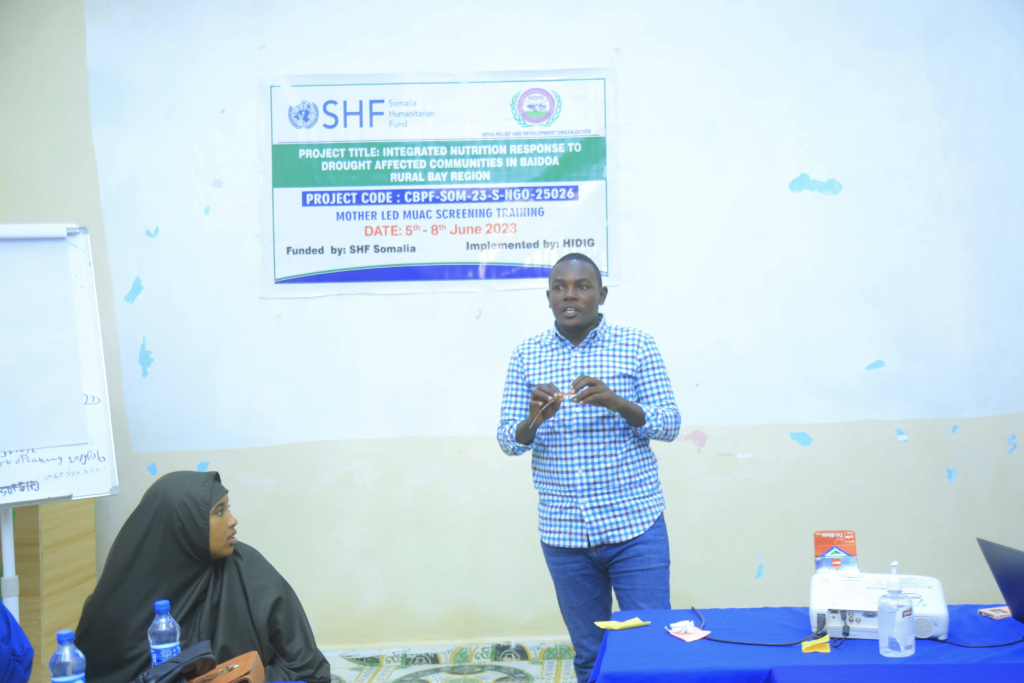
Training Date 05-08th June, 2023
Introduction:
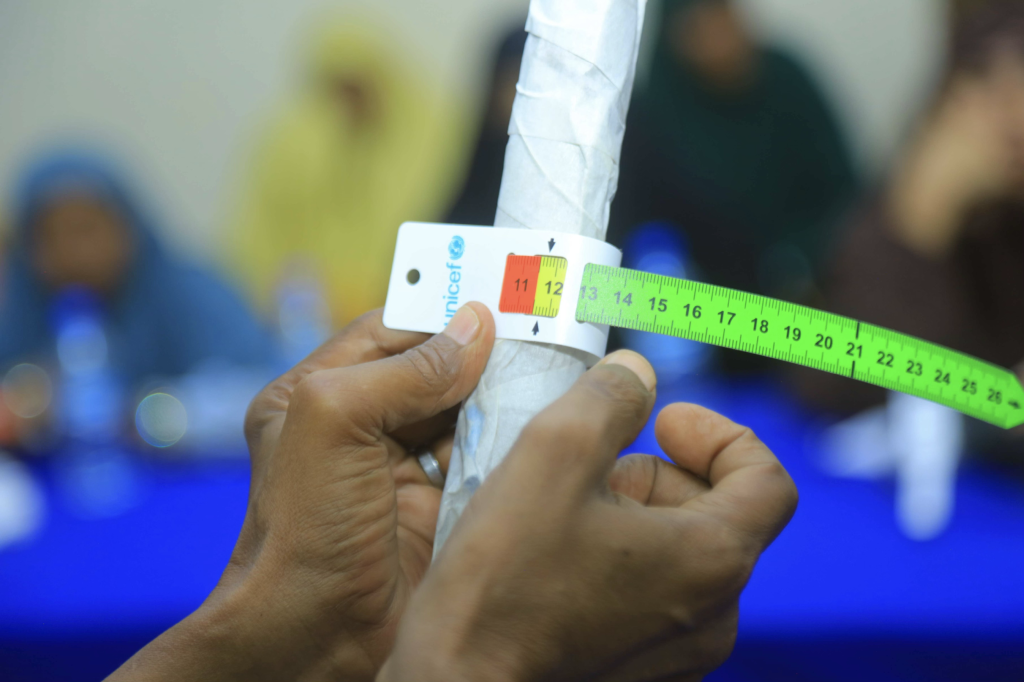
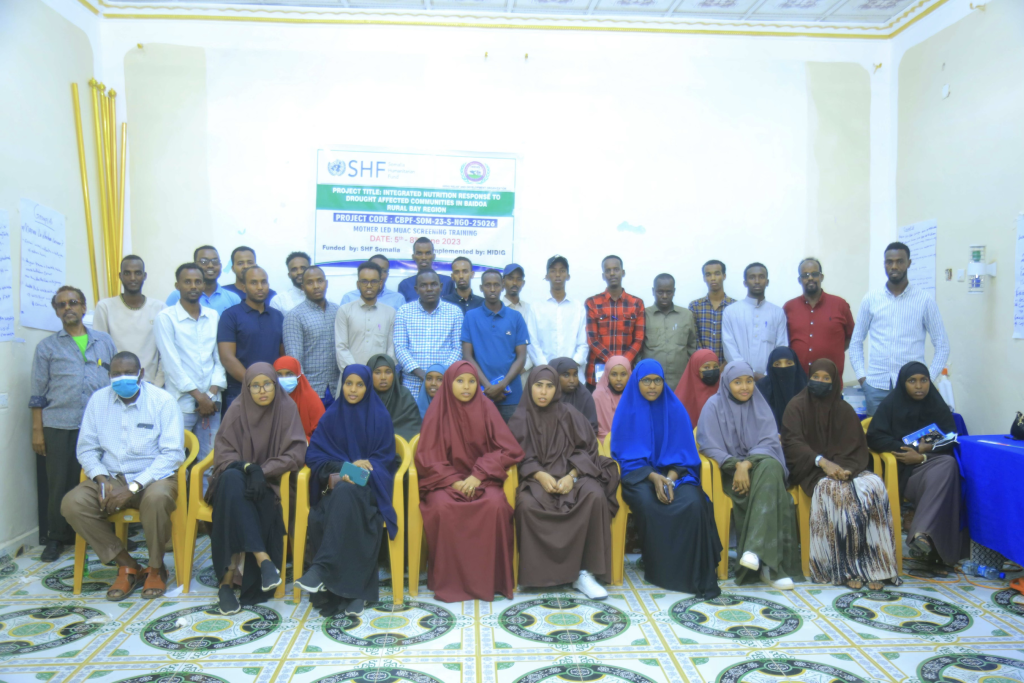
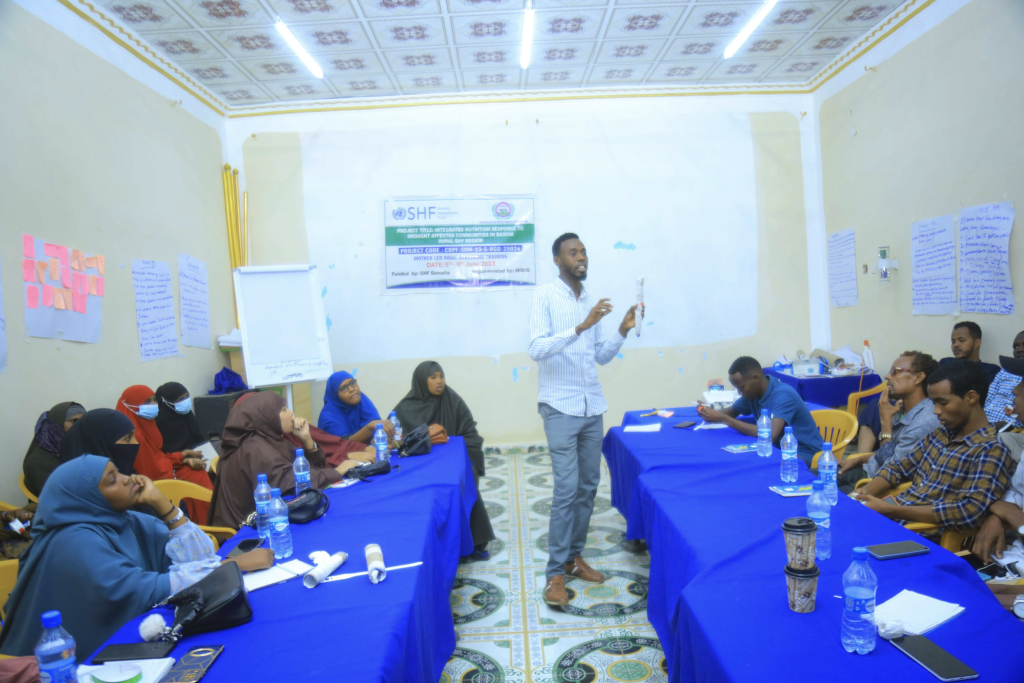
The Humanitarian Initiative for Development in Governance (HIDIG) conducted a comprehensive five-day Mother Lead MUAC Training in Baidoa district, Bay region of South West Somalia. The training was tailored for key Nutrition program staff, community health workers, community members, and local administrators. The primary objective was to provide insight into Mother Lead MUAC Training, enhancing the capacity of field staff in the nutrition sector. Additionally, the training aimed to underscore the importance of integrating Mother Lead MUAC Training into both non-emergency and emergency contexts, fostering robust operational action plans among the involved personnel to ensure theory translates into practice.
A total of 136 participants from various HIDIG nutrition sites in Baidoa actively engaged in the training, leveraging a participatory learning approach that honored adult learning principles and considered the unique working dynamics and environment in Somalia.
Training proceeding
Opening and introduction
The training was open by HIDIG executive director who have also co-facilitated the day training of the staff, it was also attended by the Baidoa authority representatives as well as the federal government ministry of health.
Objectives:
- Equip participants with essential knowledge and skills in Mother Lead MUAC Training.
- Foster a strong linkage between Mother Lead MUAC Training programming in diverse contexts.
- Encourage the development and implementation of operational action plans.
Duration :4 days
Training Agenda:
Day1: General Concepts of GBV, PSEA, and Child Protection
- Introduction to Gender-Based Violence (GBV): Provide an overview of GBV, including its forms, prevalence, and impact on individuals and communities.
- Prevention of Sexual Exploitation and Abuse (PSEA): Define PSEA, discuss its importance in humanitarian settings, and explore strategies for preventing and addressing exploitation and abuse.
- Child Protection: Examine the principles and frameworks of child protection, highlighting the rights of children and the responsibilities of duty bearers.
- Identification and Referral Procedures: Train participants on how to identify signs of GBV, PSEA, and child protection concerns, and outline the steps for referring cases to appropriate services and authorities.
Day2: Managing GBV, PSEA, and Child Protection Cases
- Case Management: Provide guidance on effectively managing GBV, PSEA, and child protection cases, emphasizing confidentiality, survivor-centered approaches, and the importance of documentation.
- Psychological Support: Introduce techniques for providing psychological first aid and emotional support to survivors of GBV and PSEA, focusing on active listening, empathy, and trauma-informed care.
- Safety Planning: Discuss the importance of safety planning for survivors, including risk assessment, safety measures, and developing personalized safety plans tailored to individual needs and circumstances.
Day3: Understanding Trauma and Reporting Procedures
- Understanding Trauma: Explore the psychological and emotional impact of trauma on survivors of GBV, PSEA, and child abuse, and discuss strategies for providing compassionate and effective support.
• Legal Aspects: Provide an overview of relevant legal frameworks and obligations related to GBV, PSEA, and child protection, including international conventions, national laws, and reporting requirements. Reporting Procedures: Train participants on the procedures for documenting and reporting cases of GBV, PSEA, and child protection violations, emphasizing the importance of confidentiality, sensitivity, and adherence to ethical guidelines.
Day4: Communication and Referral Systems
- Communication Strategies: Discuss effective communication techniques for engaging with survivors, community members, and stakeholders on GBV, PSEA, and child protection issues, including raising awareness, building trust, and promoting dialogue.
- ReferralSystems:Review existing referral pathways and mechanisms for accessing GBV, PSEA, and child protection services, and explore strategies for strengthening coordination and collaboration among service providers and agencies.
- PreventionandInterventionServices:Highlight the importance of comprehensive prevention and intervention services for addressing GBV, PSEA, and child protection concerns, including community-based initiatives, advocacy campaigns, and psychosocial support programs.
1.5 Description of Methodologies Recap:
The training employed a participatory learning approach, integrating the experiences and knowledge of participants. This methodology ensured engagement and relevance, facilitating effective learning outcomes.
Materials Used:
Training manuals and modules specific to Mother Lead MUAC Training.
Visual aids and presentations.
Case studies and practical exercises.
Targeted Audience:
Key Nutrition program staff.
Community health workers.
Community members.
Local administrators. Evaluation:
The effectiveness of the training was evaluated through participant feedback, pre-and-post assessments, and observation of practical skills application.
Resources:
Expert trainers/facilitators.
Training materials and equipment.
Venue and logistics support.
Administrative and coordination resources.
Conclusion:
The Mother Lead MUAC Training served as a pivotal platform for enhancing the capacity of nutrition program staff and stakeholders in Baidoa district, Bay region of South West Somalia. By fostering a strong linkage between theory and practice, the training aimed to bolster
nutrition programming in both non-emergency and emergency contexts, ultimately contributing to improved maternal and child health outcomes in the region.
Training Photos