HIDIG Distributes Hygiene Kits to Flood-Affected Households
🧼 HIDIG Distributes Hygiene Kits to Flood-Affected Households
📍 Target Villages: Hiran Region (Balanuur, Haarcadey, Dabeyl, Dhaayga, Wariirile, Kurtumaaleey, Hilaac, Ceel Jaale)
📅 Campaign Period: 01–03 January 2019
👥 Implemented by: HIDIG Relief and Development Organization
🤝 Supported by: Somalia Humanitarian Fund (SHF)
As part of its continued effort to improve public health and prevent disease outbreaks among flood-affected communities, HIDIG launched a large-scale hygiene kit distribution campaign in eight of the hardest-hit villages in the Hiran Region.
📌 Targeted Villages & Number of Beneficiary Households:
- Balanuur: 500 HHs
- Haarcadey: 250 HHs
- Dabeyl: 350 HHs
- Dhaayga: 380 HHs
- Wariirile: 540 HHs
- Kurtumaaleey: 480 HHs
- Hilaac: 2,500 HHs
- Ceel Jaale: 3,500 HHs
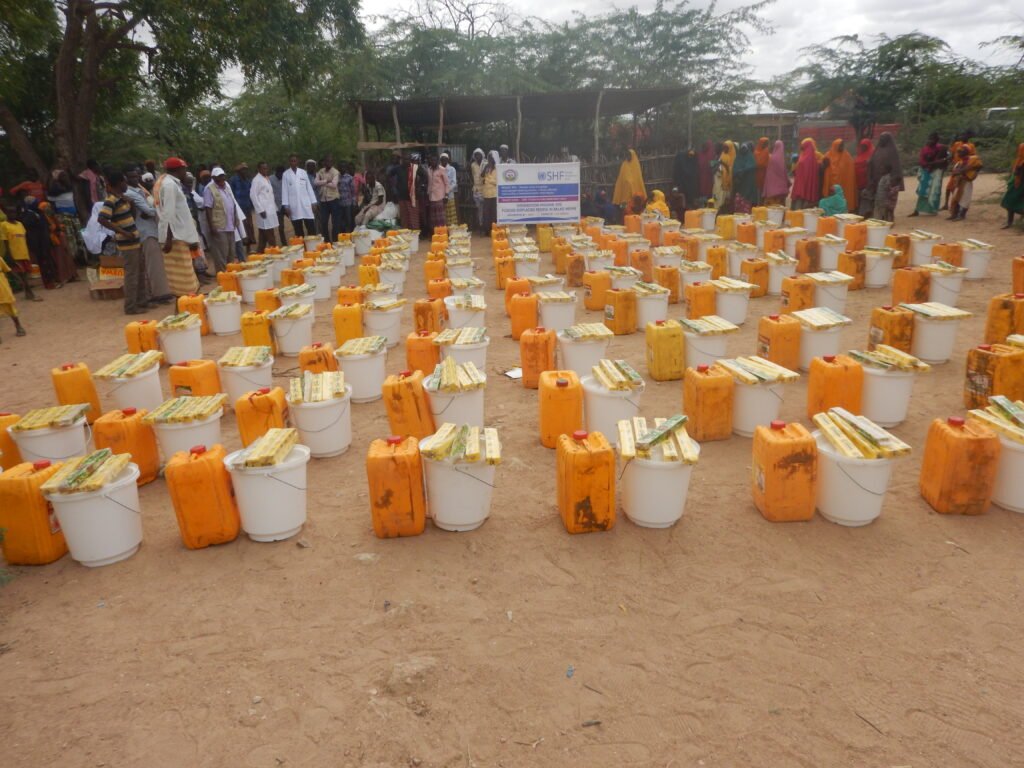
🧺 Every Household Received:
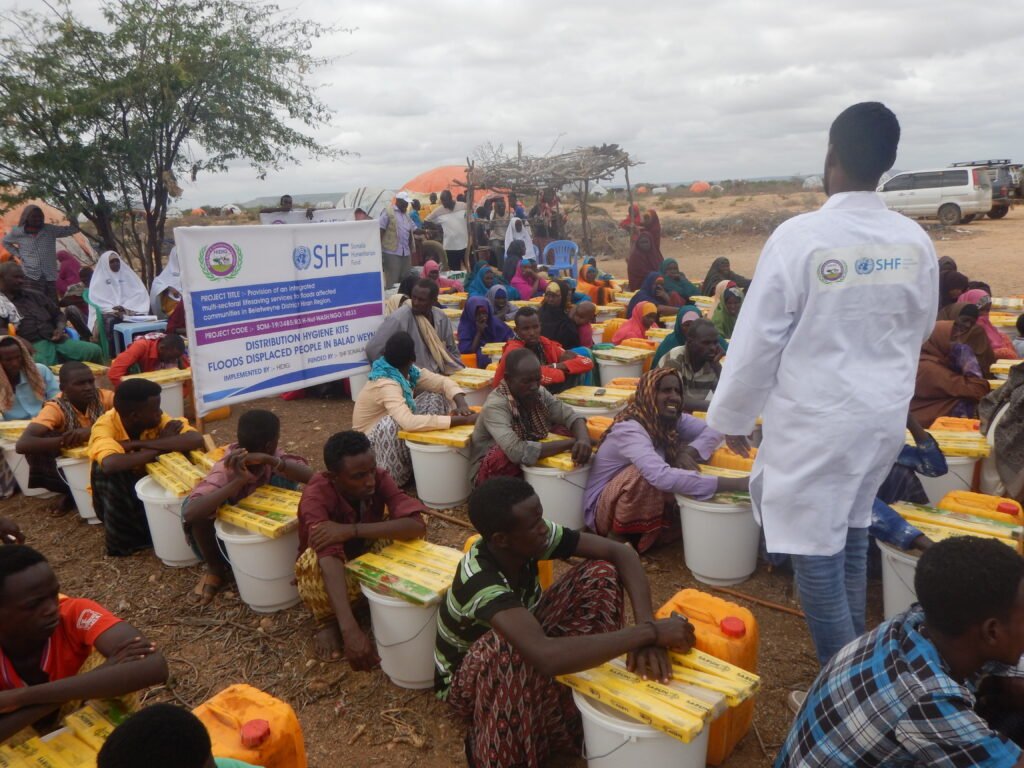
A full Hygiene Kit containing:
- 1 bucket with lid
- 1 jerrycan
- 6 bars of bathing and laundry soap
- 1 pack of sanitary pads (for female-headed households)
- 1 toothbrush and toothpaste set
🔢 Total Distributed Kits: 8,000+
🌍 Objective:
To reduce the risk of waterborne and hygiene-related diseases among displaced and flood-affected populations through the provision of essential hygiene items.
🩺 Context:
Severe flooding in Hiran Region displaced thousands of households, contaminating water sources and increasing the risk of cholera and other infectious diseases. In response, HIDIG prioritized hygiene kit distribution as part of its integrated WASH and Health emergency response under SHF support.
📸 Photo Caption:
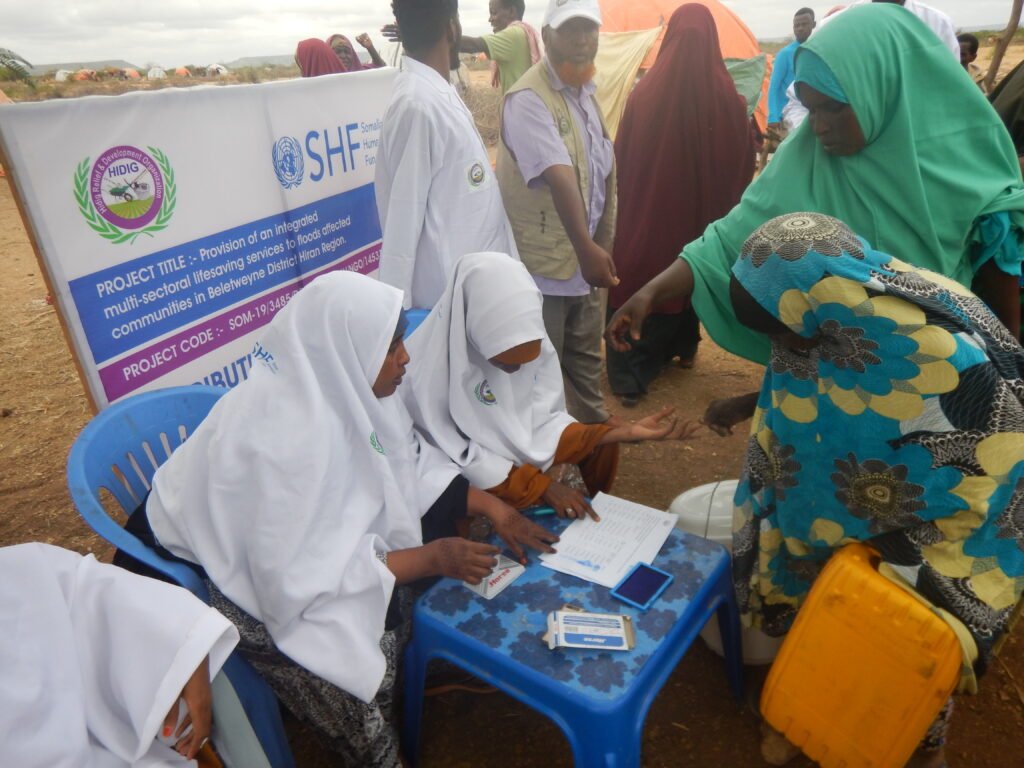
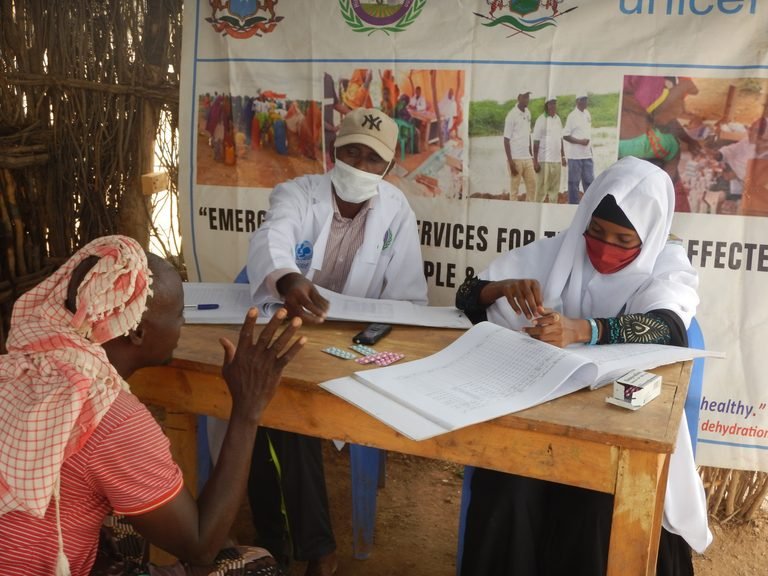
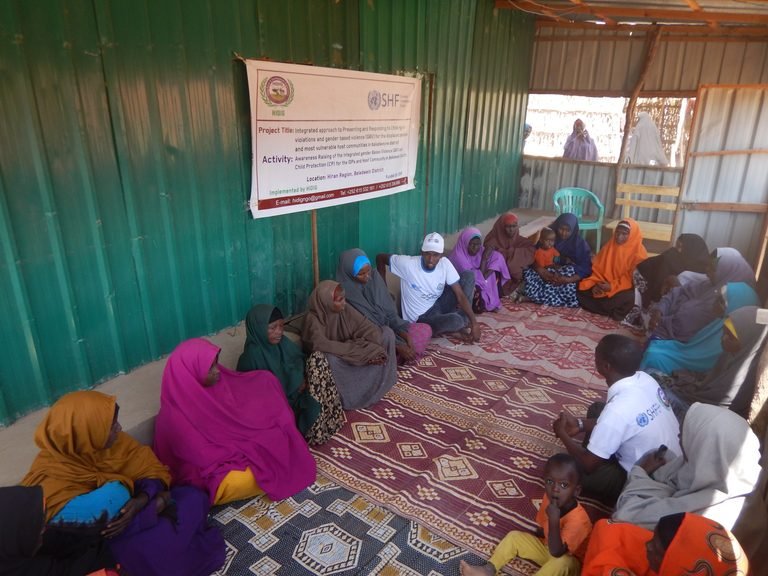
In the attached image, HIDIG field staff distribute hygiene kits to mothers and children in flood-affected areas of Balad Weyne. The distribution was accompanied by hygiene promotion sessions conducted by local health workers, focusing on handwashing, safe water storage, and environmental cleanliness.
📣 Impact:
Thanks to this timely intervention, thousands of families now have access to essential hygiene supplies — significantly reducing the risk of disease outbreaks and improving living conditions for women, children, and other vulnerable groups.