
Monitoring date 30th August ,2022
Region/District/Location Hiran, Beletweyne district
- Objectives of the activities
- Monitor the organization intervention in the line with the Health and Nutrition grant agreement.
- Get feedback from the beneficiaries and the community members about the project.
- Obtain clear picture of the status of the implementation of the project.
- Scrutinize the OTP response activities in the targeted villages.
- Observe overall Health and Nutrition sites.
2. Key Finding
The main programme activities will include.
- Implementation of a full package of Community and Facility Based Nutrition, Health, services through IERT across 5 targeted sites.
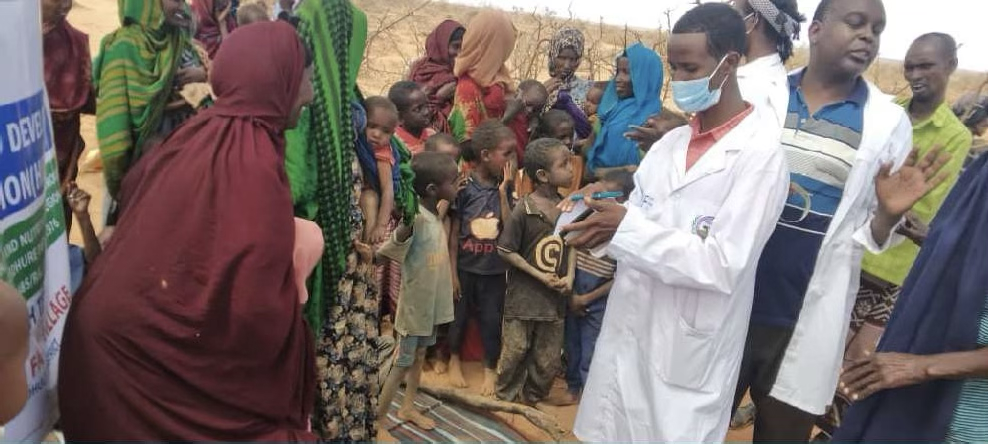
- Screening and identification, referral and treatment of children suffering from SAM through community, facility, and OTP mobile team.
- Referral of complicated cases of SAM to HIDIG static health facilities and for emergency management in Beletweyne regional hospitals SC. Stabilized children will then be referred to HIDIG IERT OTP sites for further treatment from SAM; the community- based facility covers a minimum of 5 phases BNSP including Curative and Preventive intervention targeting, Children U5 years (Boys and Girls) and Pregnant and Lactating mothers.
- Mother-led MUAC approach has be used to identify and diagnose malnutrition in children. Mothers use MUAC tapes to measure the Mid-Upper Arm Circumference (MUAC). Mother led MUAC training conducted to support mothers to screen, detect oedema and self-refer their children to nutrition sites.
- HIDIG manage a total 5 IERT Sites in Beletweyne which offers both Health and Nutrition services. Through this programme, HIDIG strengthen the integration of OTP and TSFP sites to ensure the sustainability of IMAM interventions.
- Technical capacity of the local staff has strengthened for integration of IMAM into the Primary Health Care system through the functional health facilities. Additionally, the capacity of nutrition staff has strengthened for effective service delivery at facility and community level. HIDIG also refer the survivors of gender-based violence (GBV) and child abuse cases identified at the nutrition sites and catchment areas to the implementers of child protection and GBV programmes for appropriate response and action the partners include Hiwa and DRC.
3. The following preventive services has also been provided .
- Provision of routine immunization services to children and pregnant women in these project catchments through the IERT teams. Community health workers conducting systematic defaulter tracing at community level.
- Deworming of children 12-59 months and pregnant women in the 2nd and 3rd trimester, counseling, and promotion on infant and young child feeding (IYCF) as well as community mobilization and screening.
- Micronutrient supplementation for PLW (multiple micronutrients and Iron folate) and children 6-59 months with Vitamin A supplements. The program will promote home based fortification to enrich the diets of young children 6-23 months through the distribution of micronutrient powders.
- The 2 fixed health facilities also supported to provide primary health care service which will complement the nutrition interventions in various ways. The health services provided include Maternal, Newborn and Child health care services as well as prevention, control, and management of communicable diseases to the host and IDPs.
▪ Children under-five vaccinated against measles and under -1 vaccinated against Penta 3 in the targeted by the IERT. Management of Acute respiratory infection/pneumonia- < 5 yrs. and > 5 yrs., Management of Acute Watery Diarrhea/Cholera- < 5 yrs and > 5 yrs, Pregnant and lactating women receive focused ANC and PNC services in the targeted IERT Teams. 1st visit to 4th visits (preferably 6 visits). Ensure there are no stock outs and there is regular availability of medicines and vaccines in the HIDIG supported health facilities
4. Good practices and positive feedback from the participants
- Monthly screening and case find conducted weekly in all the sites.
- Regularly treatment and follow up of children done.
- Growth monitoring for SAM children also done.
- IYCF and NHHP sessions conducted across all the sites on weekly basis.
- Continuous provision of essential health services such as maternal, Newborn and Child health care services as well as prevention, control, and management of communicable diseases to the host and IDPs.
- Malaria test, diagnosis, and treatments
5. CP: Has there been any activity related to child protection?
- There were no child protection related issues identified during the monitoring as this was part of the monitoring tool indicators.
6. Challenges/ Issues
- The target population and people seeking services were very much far apart. The target population were more than the expected target at the field level implementation
- Medical drugs were not enough to cater for the increase population.
- The overall situation of the health sector in Beletweyne is very poor due to lack of enough health services, despite HIDIG supporting is supporting health and nutrition program and other stakeholders which is not enough for the ever-increasing population of Beledweyne.
7. Recommendations/ Way forward
- HIDIG to look for funding health and nutrition programme continuation to support the continuity of the health services in Beletweyne district through HIDIG supported health facilities and IERT teams
- HIDIG to continue supporting the facilities so that children and women health and nutrition service delivery is not disrupted.
8. Program sample pictures during monitoring
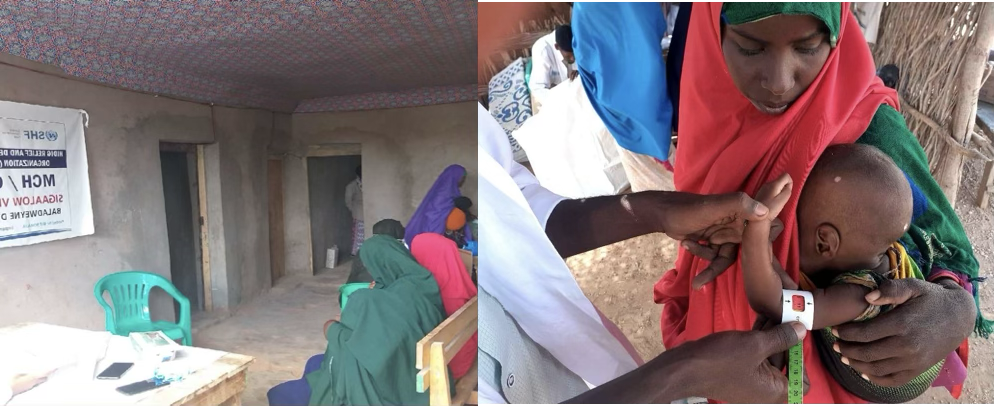
OTP Screening and medication and SiigalowI IERTstatic site Beletweyne
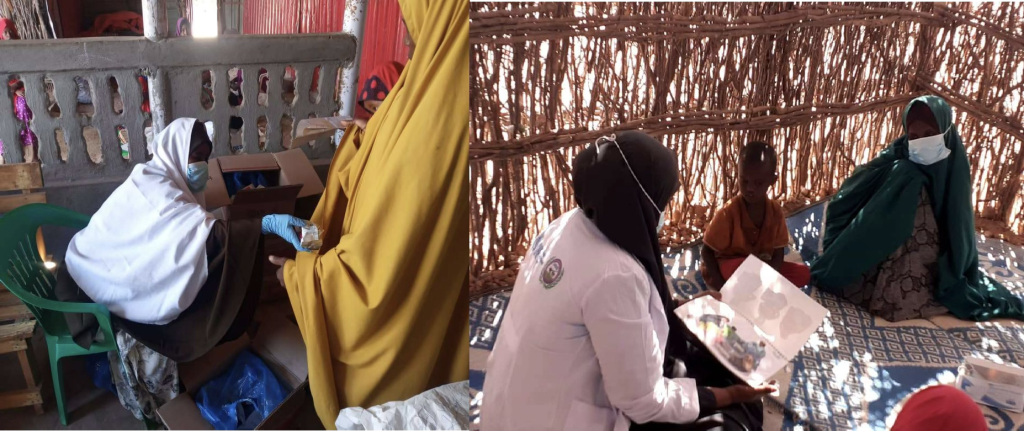
Report Prepared By: Abdullahi Omar Aden
Approved SubmittedBy: Abdinasir Hashi Shimoy