HIDIG Provides Weekly Water Trucking to Flood-Affected Communities in Beletweyne District
🚰 HIDIG Provides Weekly Water Trucking to Flood-Affected Communities in Beletweyne District
📍 Project Title: Provision of Integrated Multi-Sectoral Lifesaving Services to Flood-Affected Communities in Beletweyne District, Hiran Region (Health, WASH & Nutrition)
📅 Implementation Period: December 2019 – July 2020
👥 Implemented by: HIDIG Relief and Development Organization
🤝 Supported by: Somalia Humanitarian Fund (SHF)
As part of its WASH component under the SHF-funded integrated response project, HIDIG ensured weekly water supply (biyo dhaamin isbuucle ah) to flood-affected communities across eight villages in Beletweyne District.
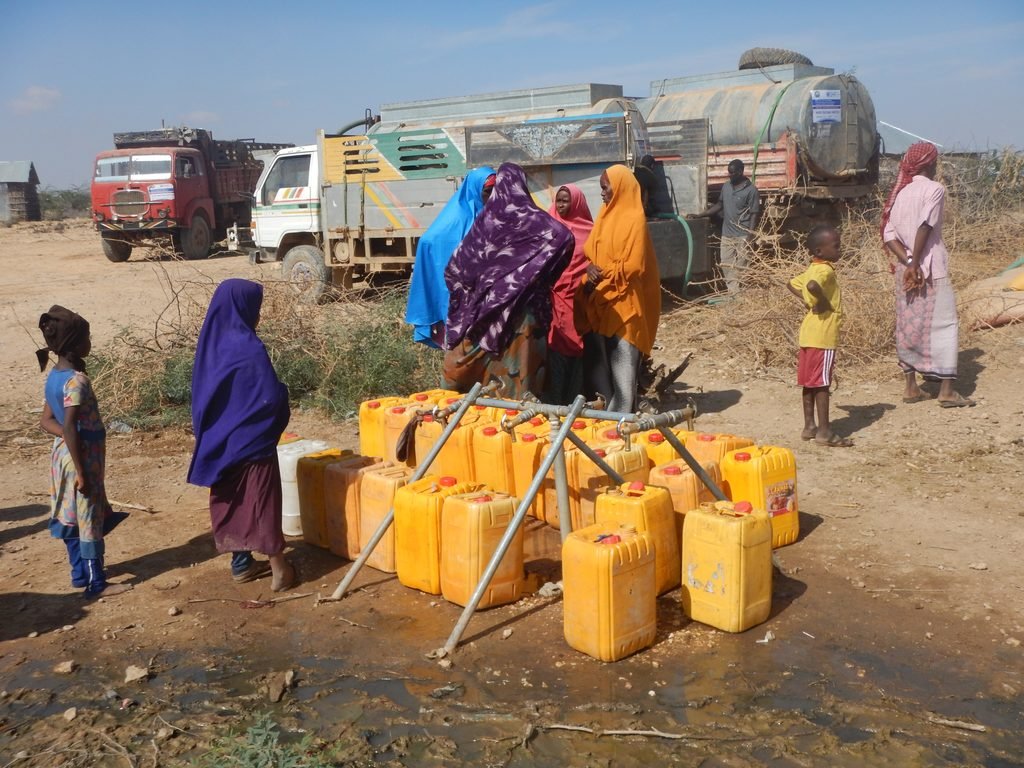
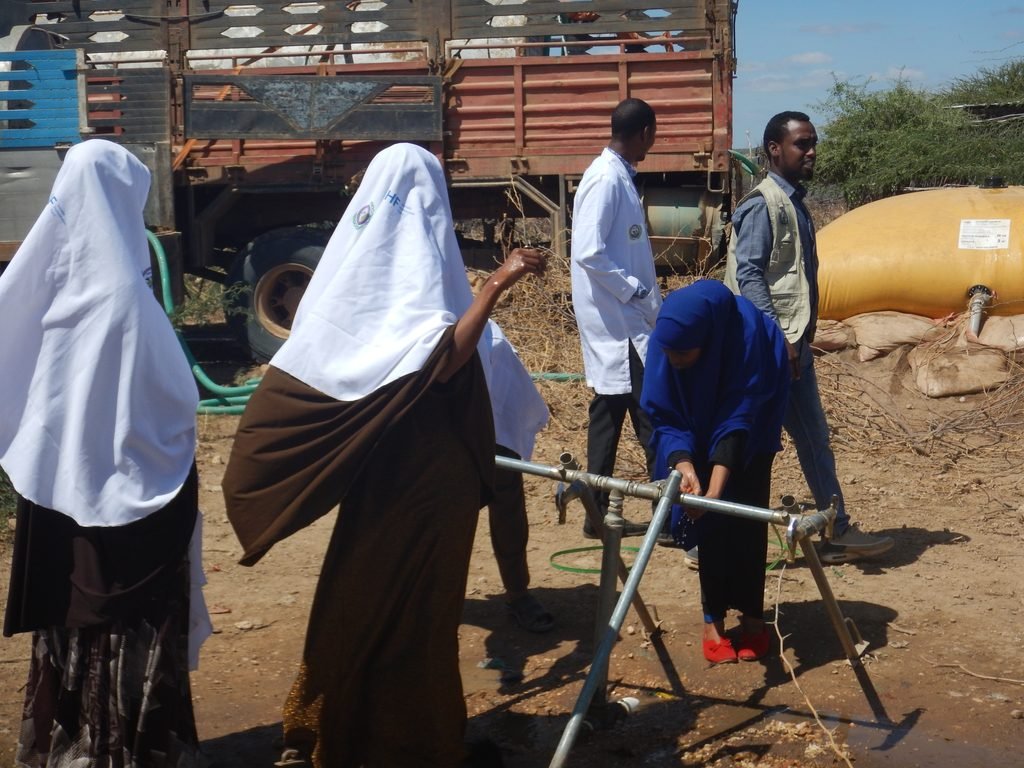
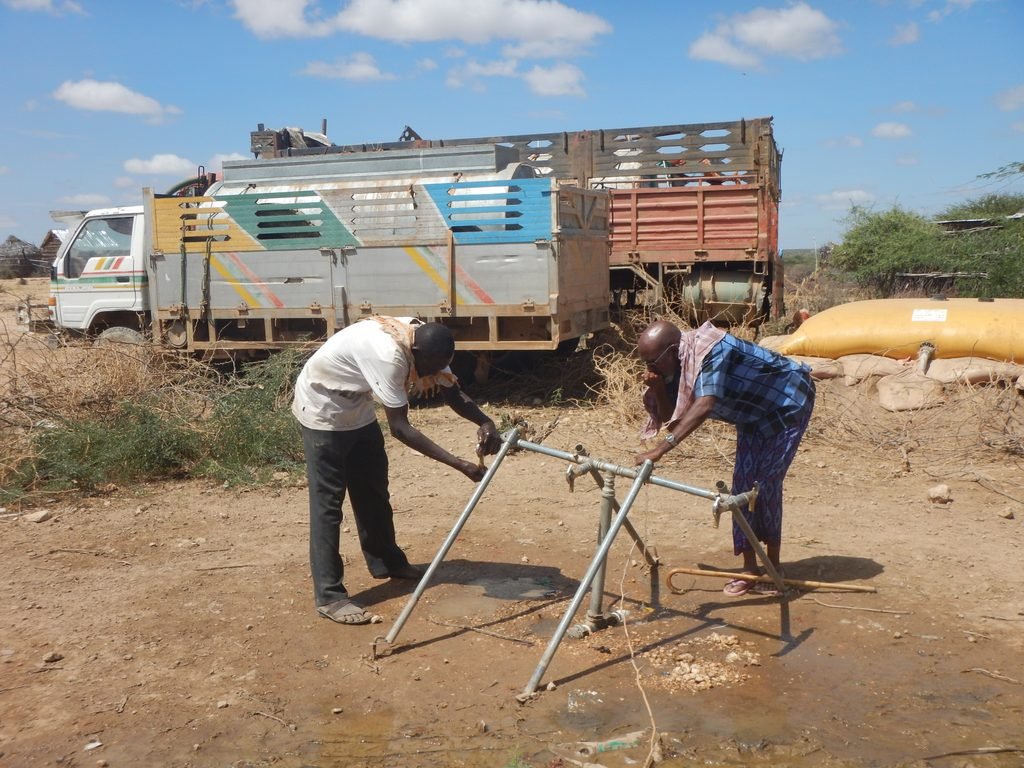
To sustain water access, plastic water storage tanks (haaman) were installed in each target village. These tanks were refilled weekly by water trucks (booyado biyo gaari ah), ensuring a continuous supply of clean and safe water for domestic use. Each tank was connected to tap stands (tubooyin), allowing community members—especially women and children—to easily fetch water for household consumption.
📌 Targeted Villages & Number of Beneficiary Households:
- Balanuur: 500 HHs
- Haarcadey: 250 HHs
- Dabeyl: 350 HHs
- Dhaayga: 380 HHs
- Wariirile: 540 HHs
- Kurtumaaleey: 480 HHs
- Hilaac: 2,500 HHs
- Ceel Jaale: 3,500 HHs
📸 Photo Caption:
In the attached image, HIDIG WASH team and community members draw water from tap stands connected to storage tanks established under the SHF-funded project. The system provided reliable and safe water access to flood-displaced families throughout the 8-month intervention period.
📣 Impact:
This intervention had a transformative impact on the wellbeing of the target communities:
- Over 8,000 households gained regular access to clean and safe water, reducing the prevalence of waterborne diseases such as cholera and acute watery diarrhea (AWD).
- Women and children — who previously walked long distances to fetch water — now access it within their villages, improving safety and saving time for education and livelihood activities.
- The availability of clean water enhanced household hygiene practices, complementing HIDIG’s concurrent hygiene kit distribution and health education efforts.
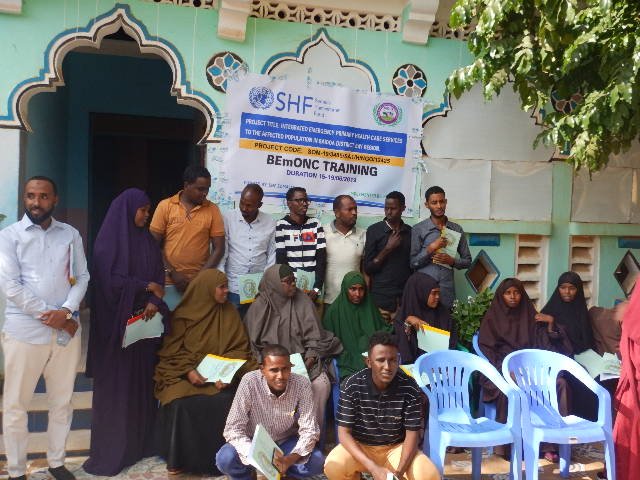
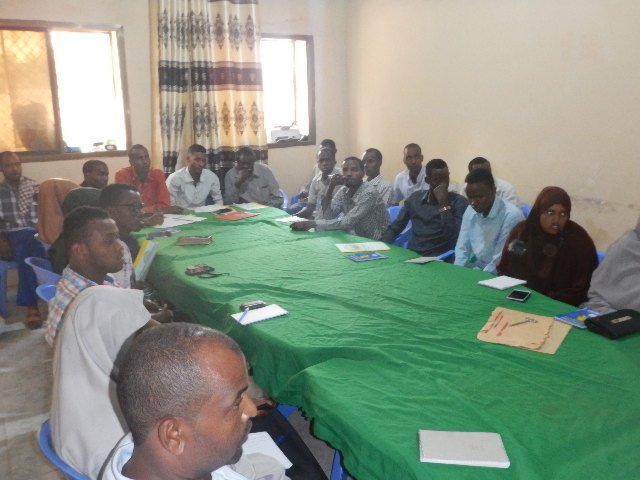
- Local water committees were engaged and trained, promoting community ownership and sustainability of the established water systems.