Cash Voucher Assistance for Vulnerable Households in Beledweyne District
Date Launched: 19 March 2019
Duration: Jan – May 2019 (5 months)
Implemented by: HIDIG Relief and Development Organization
Funded by: World Food Programme (WFP)
Monthly Support: $55 per beneficiary
Total Beneficiaries: 500 heads of household (reaching over 3,000 individuals)
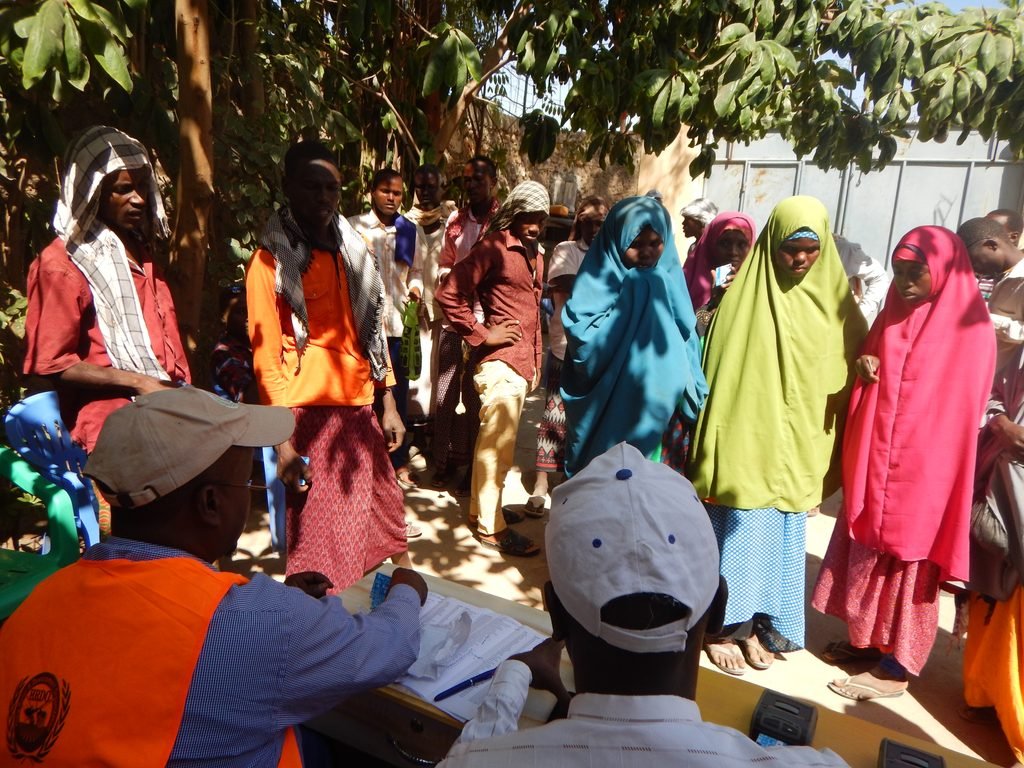
On 19 March 2019, HIDIG NGO, with support from the World Food Programme (WFP), Distributed a Cash-for-Work Voucher Program in Habaasweyne, Donkudle, Kurtumaaley, Sigalow, Xaskule, and Dharkeynley Villages under Beledweyne District to support vulnerable families with food access and income generation.
The initiative targets 500 individuals, each representing a household, reaching a total of over 3,000 household members (HHs) over a five-month period.
Registration & Distribution Process:
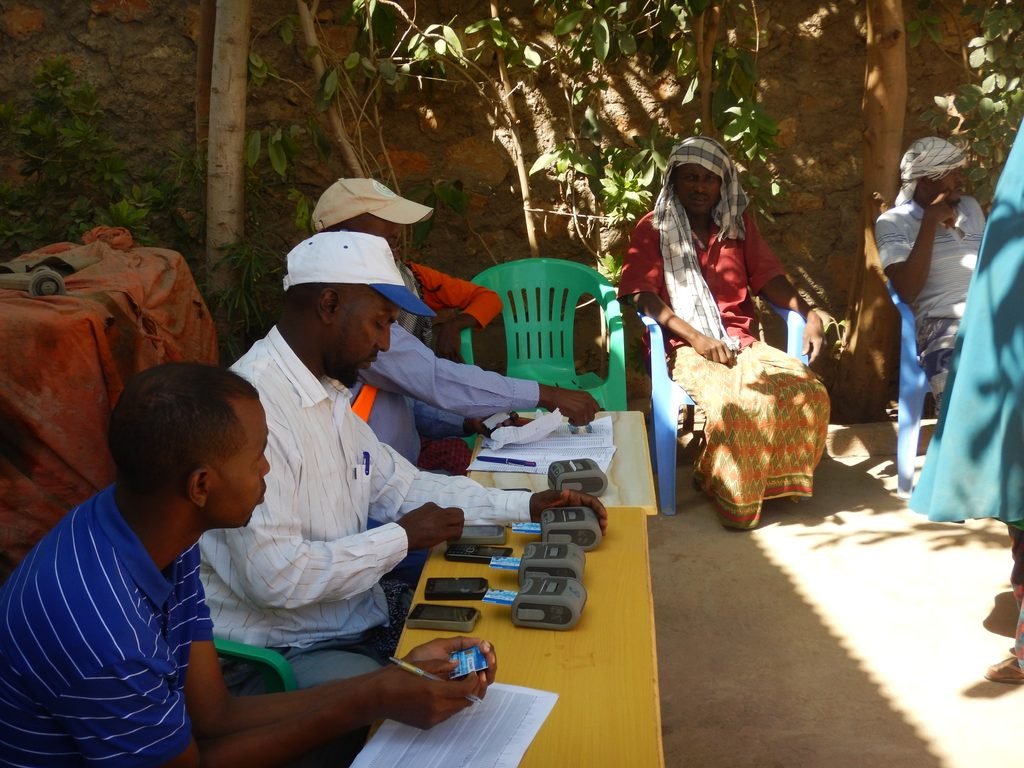
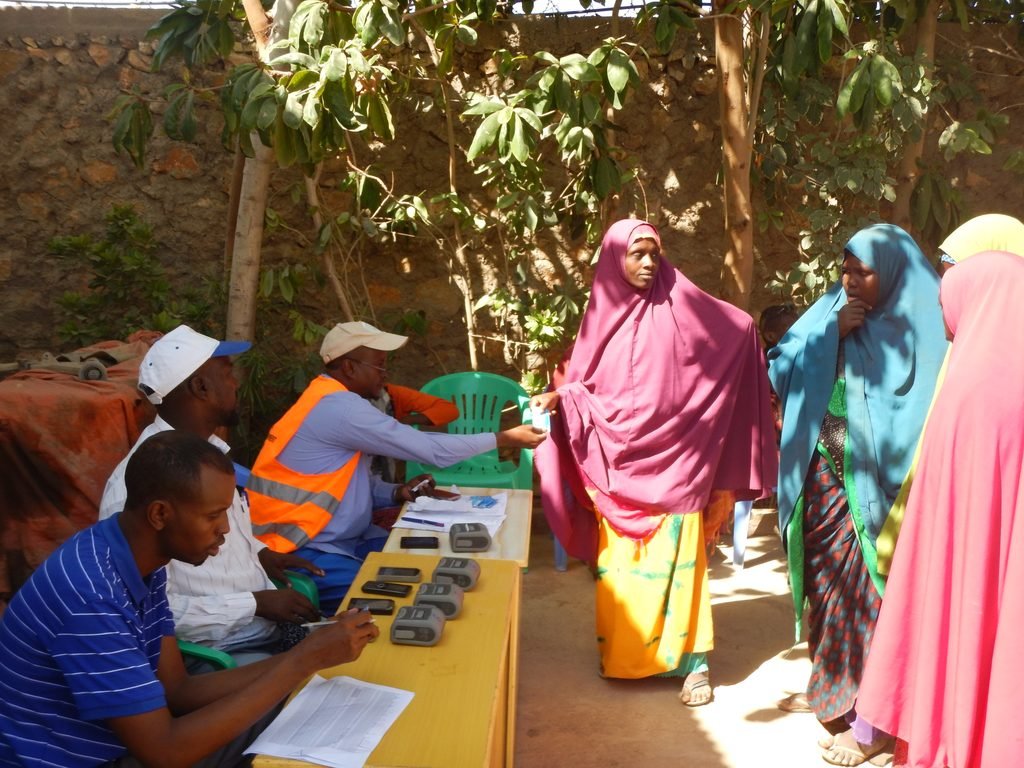
- Beneficiaries were enrolled through WFP’s registration system and issued personal voucher cards.
- These cards were used at POS (Point of Sale) machines located in partner shops.
- Through this system, each beneficiary received $55 monthly, credited directly to their card.
- The POS system ensured secure, traceable, and transparent transactions, eliminating duplication and protecting entitlements.
Food Redemption:
Beneficiaries redeemed their $55 monthly value at WFP-contracted shops in Beledweyne, exchanging it for essential food items such as:
- 🍚 Rice, flour, sugar, pasta
- 🛢️ Cooking oil
- 🥩 Meat and vegetables
- 🥛 Milk, dates, and other essentials
This approach preserved dignity of choice and supported local markets.
Work Component:
In return for their monthly voucher, beneficiaries participated in community improvement activities, including:
- Clearing roadside trees and vegetation
- Rehabilitating riverbank canals (up to 50 meters) to enhance irrigation and reduce flood risks
Impact:
✅ Over **3,000 people supported with monthly food access
✅ Improved local infrastructure and environment
✅ Transparent aid delivery via POS systems
✅ Increased community resilience and self-reliance
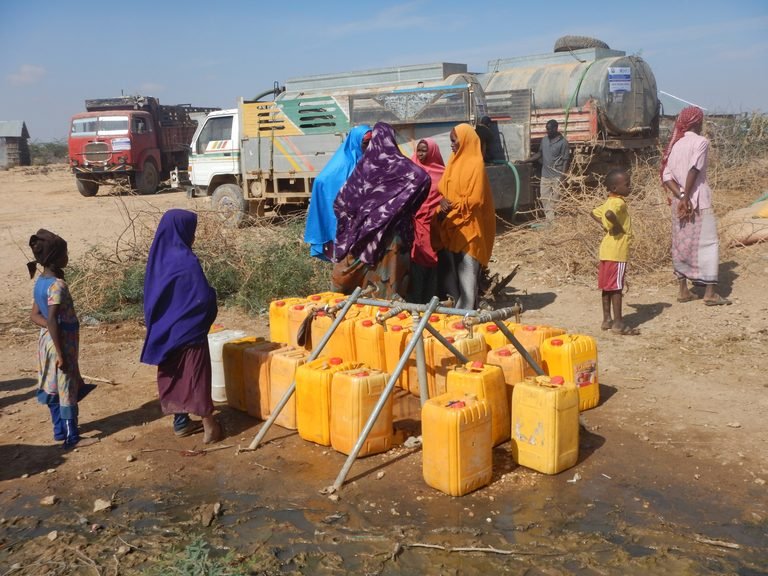
📷 Photos from the field show women and men participating in work activities and redeeming their food entitlements in local shops.