Emergency COVID-19 Response: Continued Delivery of Essential Health Services to Vulnerable Children and Women
🏥 Emergency COVID-19 Response: Continued Delivery of Essential Health Services to Vulnerable Children and Women
📍 Target Locations: Baidoa, Beletweyne, and Ceelbarde Districts, including over 15 outreach sites across Hiran, Bay, and Bakool Regions
📅 Project Period: May – August 2020
👥 Implemented by: HIDIG Relief and Development Organization
🤝 Supported by: UNICEF
📘 Project Code: SOM/PCA2018111/HPD2020274
In response to the COVID-19 pandemic, HIDIG, with support from UNICEF, implemented an Emergency COVID-19 Response Project focused on maintaining essential health services for the most vulnerable populations — particularly children under five, pregnant and lactating women (PLW), and persons with disabilities in host communities and IDP settlements.
Despite the short project period, HIDIG successfully reached over 32,800 beneficiaries through four Maternal and Child Health (MCH) centers and 15 outreach sites located across the target districts. The project prioritized equitable access, ensuring the inclusion of minority groups and people living in hard-to-reach areas.
💡 Key Activities Delivered:
- Outpatient Department (OPD) consultations for children and adults
- Routine immunization (EPI) and Vitamin A supplementation for children under five
- Antenatal (ANC), Postnatal (PNC), and safe delivery services for women
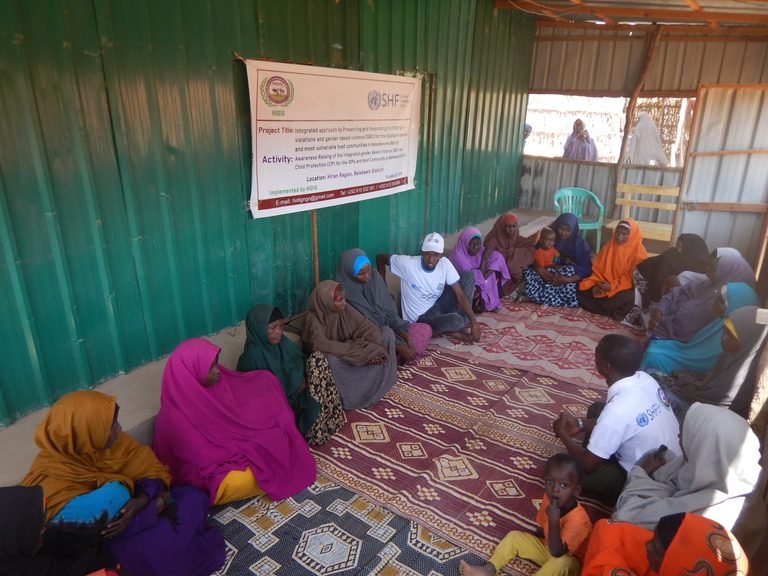
- Health and hygiene awareness sessions with COVID-19 prevention messages
- Integration of protection mainstreaming and inclusion of persons with disabilities and minority groups
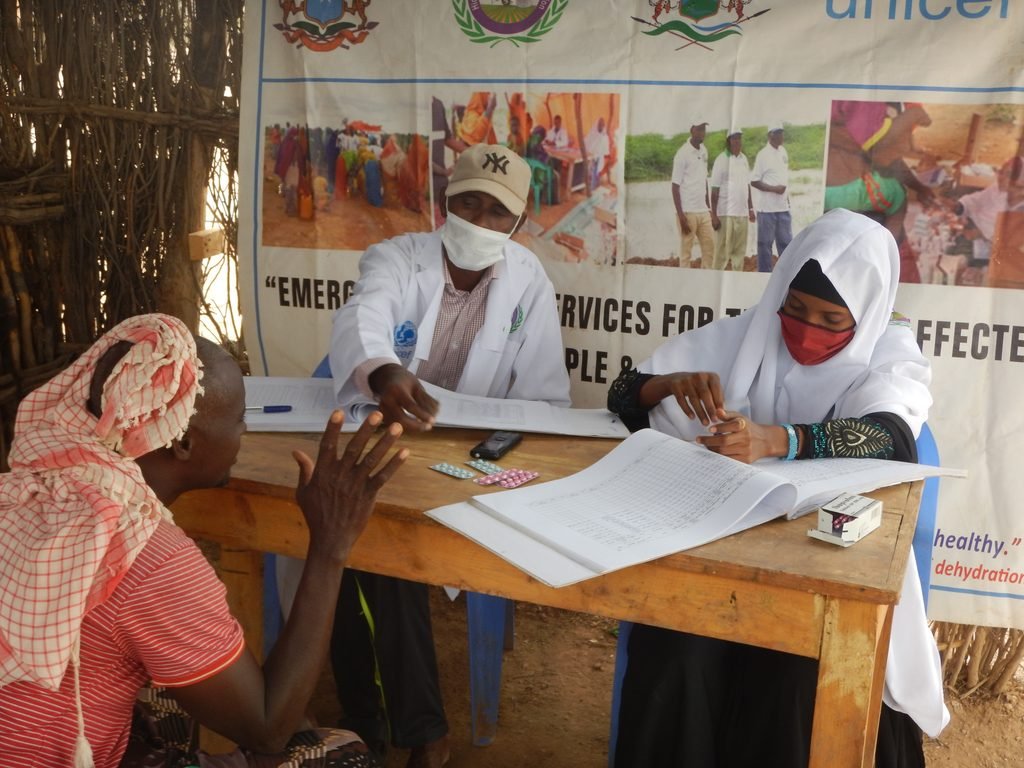
📸 Photo Caption:
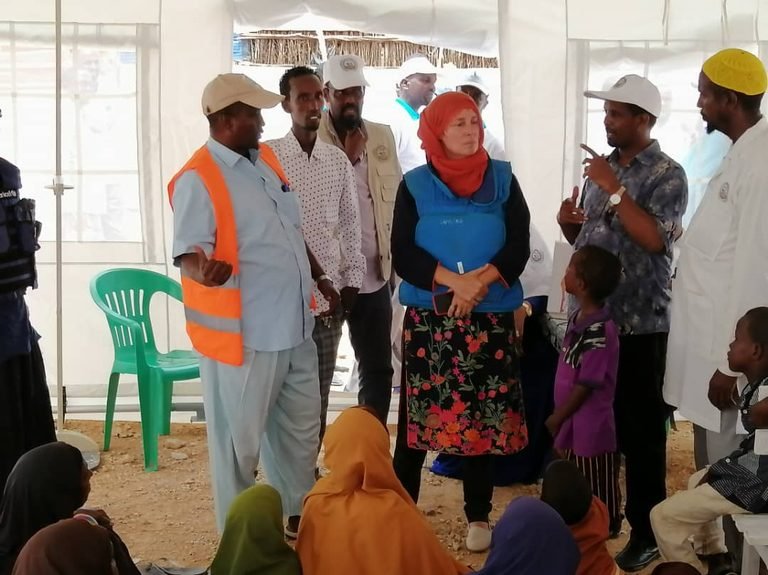
In the attached image, HIDIG health workers provide outpatient consultations to community members at one of the supported health sites. The activity was part of the UNICEF-funded Emergency COVID-19 Response Project, ensuring uninterrupted access to essential health services for vulnerable families during the pandemic.
📣 Impact:
- Over 32,800 people accessed essential and life-saving health services within three months.
- Continued availability of primary health care prevented the collapse of routine services during COVID-19 restrictions.
- Improved maternal and child health outcomes, including safe deliveries and immunization coverage.
- Enhanced community awareness on COVID-19 prevention, hygiene, and health-seeking behavior.
- Strengthened inclusion of marginalized groups and persons with disabilities in humanitarian health interventions.